 English
 Dutch
 French

Sources of heavy metals in food
Heavy metals can enter food at multiple stages of the production chain, from crop cultivation and animal production to food processing and packaging.
Identify potential risks
Heavy metals can enter food at multiple stages of the production chain, from crop cultivation and animal production to food processing and packaging. Some contamination originates naturally from geological conditions, while other sources result from industrial activity, agricultural practices, or manufacturing processes. Understanding these pathways helps food manufacturers identify potential risks and implement effective monitoring and mitigation strategies.
Heavy metals enter food through environmental contamination, agricultural practices, industrial activities, food contact materials, and manufacturing processes. Soil, water, atmospheric deposition, fertilizers, mining activities, packaging materials, and food processing equipment are among the most common sources.
Environmental sources
Soil contamination
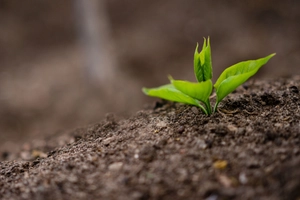
Soil is the primary pathway by which heavy metals enter the food chain for plant-based foods. Contamination can originate from both geogenic (naturally occurring) and anthropogenic (human-caused) sources. Natural background concentrations vary considerably depending on the underlying geology. Volcanic soils and certain sedimentary rock formations naturally contain elevated levels of elements such as cadmium and arsenic, even in the absence of industrial pollution.
Cadmium in cocoa is a well-documented example of naturally occurring contamination. Cacao-growing regions in Ecuador, Peru, and parts of Indonesia are known to have naturally elevated soil cadmium concentrations, resulting in increased cadmium uptake by cacao trees without any contribution from industrial activities. This demonstrates that elevated heavy metal concentrations in food are not always the result of environmental pollution.
In addition to natural background levels, soil contamination can result from historical industrial activities, atmospheric deposition, sewage sludge application, and the long-term use of contaminated irrigation water. Once heavy metals are present in the soil, their uptake by plants depends not only on the total concentration but also on their bioavailability. Factors such as soil pH, organic matter content, and cation exchange capacity influence how readily plants absorb different elements.
Cadmium uptake, for example, generally increases in acidic soils. As a result, agricultural practices such as liming, which raises soil pH, are sometimes used to reduce cadmium availability and limit plant uptake in regions with naturally elevated soil concentrations.
Rice represents a distinctive case because its flooded cultivation creates anaerobic soil conditions that increase the bioavailability of arsenic compared with aerobic soils used to grow cereals such as wheat or maize. This is one of the main reasons rice typically accumulates more arsenic than cereals such as wheat or maize grown under similar geological conditions.
Water
Water is another important pathway through which heavy metals can enter the food chain. Both irrigation water and process water can contribute to contamination, particularly in regions where groundwater naturally contains elevated concentrations of elements such as arsenic.
Groundwater arsenic contamination in parts of Bangladesh, West Bengal, and the Mekong Delta is among the best-documented examples worldwide. In these regions, arsenic originates from naturally occurring sediment layers rather than industrial pollution. When this groundwater is used for irrigation, crops such as rice can accumulate inorganic arsenic, highlighting the importance of water quality in food production.
In addition to arsenic, irrigation and process water may contain trace amounts of lead, cadmium, mercury, and other elements, depending on the local environment and water source. Heavy metals can enter food through direct uptake by crops, incorporation during food and beverage processing, or contamination of processing water used as an ingredient.
Water distribution systems can also contribute to contamination. In older infrastructure, lead may leach from ageing pipes, plumbing components, or lead-containing solder into drinking water and water used during food processing. For this reason, drinking water quality is subject to strict monitoring and regulatory requirements in many countries to minimise potential sources of contamination.
Because water is used throughout the food production chain, from irrigation and ingredient preparation to cleaning and processing, routine water quality monitoring forms an important part of food safety management. Regular testing helps manufacturers identify potential contamination sources before heavy metals enter the final product.

Air pollution
Air pollution contributes to heavy metal contamination through atmospheric deposition. Heavy metals released into the atmosphere can be transported over considerable distances before settling onto agricultural land, surface water, or directly onto crops. Leafy vegetables and other above-ground crops are particularly susceptible because contaminants can deposit directly onto their edible surfaces in addition to accumulating in the soil.
Lead, cadmium, arsenic, and mercury are among the elements most commonly associated with atmospheric deposition. Once deposited, these heavy metals can remain in the environment for long periods, increasing the likelihood of uptake by crops or transfer into the wider food chain.
Historically, leaded petrol was one of the largest sources of atmospheric lead emissions. Although its use has been phased out worldwide, lead deposited decades ago remains in soils near former high-traffic areas and can still contribute to contamination of crops grown in those locations.
Coal combustion remains an important source of atmospheric mercury emissions. After deposition into rivers, lakes, and coastal waters, microorganisms convert inorganic mercury into methylmercury, a highly toxic form that bioaccumulates in fish and shellfish. This process explains why predatory fish generally contain higher mercury concentrations than species lower in the food chain.
Industrial activities such as metal smelting, cement production, and metal processing also release heavy metals into the atmosphere. Agricultural land located near these facilities may be exposed to elevated levels of atmospheric cadmium and lead, making proximity to industrial emission sources an important consideration in environmental monitoring and food safety risk assessment.

Fertilizers
Phosphate fertilizers are one of the best-documented anthropogenic sources of cadmium in agricultural soils. The phosphate rock used to manufacture these fertilizers naturally contains cadmium, although the concentration varies considerably depending on its geological origin. As a result, phosphate fertilizers produced from different phosphate deposits can contain different background levels of cadmium.
Repeated application of phosphate fertilizers can gradually increase cadmium concentrations in agricultural soils over many years, a process often referred to as cadmium loading. Although the amount added during a single growing season is typically small, long-term fertilizer use can contribute to measurable increases in soil cadmium concentrations, particularly in intensively farmed areas.
Before phosphate in soil can be measured, the soil sample needs to undergo digestion to prepare it for analysis. This is possible with the MARSXpress 2.0, the MARS 6, and the BLADE. Phosphate in soil can then be analyzed using the SEAL AA500 Continuous Flow Analyzer according to applicable ISO standards.
The cadmium content of phosphate fertilizers has therefore become an important focus of agricultural and environmental management. In many regions, measures have been introduced to reduce cadmium inputs into agricultural soils by limiting the cadmium content of fertilizers before they are applied, helping to minimise contamination at the source rather than relying solely on testing the final food product.
Phosphate fertilizers are not the only potential source of heavy metals. Zinc-containing fertilizers and certain micronutrient products may also contain trace amounts of cadmium as a naturally occurring impurity, because cadmium and zinc often occur together in the same mineral deposits.

Mining
Mining and ore processing activities are important point sources of heavy metal contamination, particularly for lead (Pb), cadmium (Cd), arsenic (As), and mercury (Hg). Agricultural soils located near active or historical mining areas can accumulate elevated concentrations of these metals due to the release of contaminated mine waste and processing residues.
Tailings, the waste material generated during ore extraction and processing, often contain high levels of the target metals and other associated trace elements. These contaminants can spread into the surrounding environment through several pathways, including surface runoff into waterways, airborne dust dispersion, and accidental releases from tailings storage facilities. Once present in agricultural soils and water systems, heavy metals can enter the food chain through crop uptake or accumulation in aquatic organisms.
Historical mining activities remain a long-term source of contamination because heavy metals are persistent environmental pollutants that do not break down over time. As a result, agricultural land near former lead, zinc, or gold mining sites may continue to show elevated metal concentrations decades or even centuries after mining operations have stopped.
Artisanal and small-scale gold mining is a specific example of mining-related mercury contamination. In many regions, mercury amalgamation is used to extract gold from ore, releasing mercury into surrounding soils and waterways. Mercury can subsequently accumulate in fish and other aquatic organisms, creating a potential exposure pathway for local communities that consume contaminated seafood, particularly in parts of South America, Africa, and Southeast Asia.

Industrial emissions
Industrial activities beyond mining and combustion processes represent another important source of heavy metal contamination in the environment and food chain. Industries such as metal smelting and refining, battery manufacturing and recycling, electroplating, and certain chemical manufacturing processes can release heavy metals including lead (Pb), cadmium (Cd), and mercury (Hg) into surrounding air, water, and soil.
When industrial emissions or wastewater are not adequately controlled, heavy metals can enter rivers, lakes, and coastal waters used for irrigation or aquaculture. This creates a potential pathway for contamination of agricultural products and aquatic food sources. In aquaculture systems located near or downstream from industrial areas, fish and shellfish may accumulate heavy metals from their environment at concentrations significantly higher than those found in the surrounding water due to bioaccumulation within the aquatic food chain.
Regulatory measures that limit industrial emissions, such as the EU Industrial Emissions Directive 2010/75/EU, contribute indirectly to food safety by reducing the release of heavy metals into the environment. These source-control measures complement food-specific regulations that establish maximum permitted levels of contaminants in food products.
Food contact materials
Packaging
Food packaging and other food contact materials represent a less obvious but well-documented pathway for heavy metal contamination. Unlike environmental sources such as soil and water, these contaminants can enter food through direct contact between the material and the food product.
Ceramic food contact materials are a historical example of this risk. Ceramic glazes have traditionally contained lead and cadmium compounds as colourants and stabilisers. Under certain conditions, these metals can migrate from ceramic tableware into food, particularly acidic foods. Due to this potential migration, the European Union regulates the maximum migration levels of lead and cadmium from ceramic articles intended for food contact under Directive 84/500/EEC and subsequent amendments.
Metal cans represent another historical source of concern. Older canned food products often used lead-based solder in can seams, although this practice has been largely phased out in many regions. However, it remains relevant when assessing certain imported canned products. In addition, printing inks used on food packaging may contain trace amounts of heavy metals. Migration of pigments or other substances from printed packaging surfaces into food, especially fatty or moist foods that are in direct contact with printed materials, is addressed through general food contact material legislation, including Regulation (EC) No 1935/2004.
Manufacturing processes
Food processing
Food processing can influence heavy metal levels through several mechanisms, independent of the initial contamination level of the raw materials. During processing, contamination may occur through contact with equipment, concentration effects, or changes in the composition of the food matrix.
Processing equipment, particularly older machinery made from stainless steel or other metal alloys, can contribute to trace metal contamination through abrasion, wear, or corrosion. This risk can be more relevant during the processing of acidic foods, where prolonged contact with metal surfaces may increase the potential release of metal ions.
Processing methods that reduce the water content or mass of a food product can also increase the concentration of naturally occurring heavy metals. Drying, milling, and similar processes retain the mineral content while reducing the overall product weight, resulting in higher heavy metal concentrations per unit weight. The moisture content of food samples can be determined by drying the sample using systems such as the CEM Smart Q or Smart 6. These systems can determine moisture content in approximately two minutes. For example, spice powders and protein concentrates may contain higher concentrations of heavy metals than their original raw materials simply because water has been removed.
Cocoa processing demonstrates this concentration effect clearly. Cadmium naturally present in cacao beans can become increasingly concentrated during fermentation, drying, and the production of cocoa powder and cocoa liquor. This is one reason why cocoa-derived products require category-specific maximum levels for cadmium rather than a single limit applied to all cocoa products.
Source | Main contaminants | Commonly affected foods |
Soil | Cadmium, arsenic, lead | Cocoa, rice, cereals, vegetables |
Water | Arsenic, mercury, lead | Rice, seafood, beverages |
Fertilizers | Cadmium | Cereals, vegetables |
Mining | Lead, cadmium, arsenic, mercury | Crops, fish |
Industrial emissions | Lead, cadmium, mercury | Crops near industrial areas |
Processing | Metals from equipment, concentration effects | Cocoa products, powders, concentrates |
Learn more about heavy metals in food
Discuss your food analysis requirements
Our Xperts are happy to discuss your application and help you find the right solution.
FAQ
How do heavy metals enter food?
Heavy metals can enter food through environmental contamination, agricultural practices, industrial activities, food contact materials, and food processing. Common sources include soil, water, air pollution, fertilizers, mining operations, packaging materials, and manufacturing equipment.
Can heavy metals occur naturally in food?
Yes. Heavy metals can occur naturally in food due to the geological composition of soils, sediments, and groundwater. Elevated concentrations are not always the result of industrial pollution.
Can irrigation water contribute to heavy metal contamination?
Yes. Irrigation water can contain arsenic, lead, cadmium, mercury, and other trace elements. Crops can absorb these contaminants during growth, and they may subsequently enter the food chain.
Why is groundwater a concern for heavy metal contamination?
Groundwater can naturally contain elevated concentrations of elements such as arsenic. When contaminated groundwater is used for irrigation or food processing, heavy metals can enter agricultural products and food ingredients.
How does air pollution contaminate food with heavy metals?
Heavy metals released into the atmosphere can settle onto agricultural land, surface water, and crops through atmospheric deposition. These contaminants can then enter the food chain through crop uptake or direct surface contamination.
What is cadmium loading?
Cadmium loading refers to the gradual accumulation of cadmium in agricultural soils due to long-term fertilizer application. Even small annual inputs can become significant over time.
Why do dried foods sometimes contain higher heavy metal concentrations?
When water is removed, the remaining minerals and contaminants become concentrated. As a result, dried foods often contain higher heavy metal concentrations per kilogram than the original raw material.
Which foods are most commonly associated with water-related heavy metal contamination?
Rice, seafood, beverages, and foods produced using contaminated irrigation or processing water are among the products most commonly associated with water-related heavy metal contamination.
