 English
 Dutch
 French

Heavy metals in food
The heavy elements most monitored in food are arsenic (As), cadmium (Cd), lead (Pb), and mercury (Hg).
Essential part of modern food safety management
Heavy metal monitoring is an essential part of modern food safety management. Manufacturers routinely test raw materials, intermediate products, and finished goods to protect consumer health, comply with regulatory requirements, verify supplier quality, and minimise the risk of contamination entering the food chain.
What are heavy metals in food?
Heavy metals in food are naturally occurring or introduced elemental contaminants that may pose health risks depending on their concentration, chemical form and dietary exposure. The elements most frequently monitored in food safety programmes are arsenic (As), cadmium (Cd), lead (Pb), and mercury (Hg). Although arsenic is technically a metalloid, it is commonly included in discussions of heavy metal contamination.
These elements can enter the food chain through soil, water, agricultural activities, environmental pollution and food processing. Their presence is an important concern for food manufacturers because certain elements can accumulate in the human body or cause adverse health effects following prolonged exposure.
Unlike many organic contaminants, elements cannot be degraded into non-elemental substances. They can persist in soil, water and sediments for decades, although their chemical forms and environmental mobility may change. Their persistence and potential to accumulate in organisms make them an important focus of food safety monitoring worldwide.
Food safety authorities establish maximum permitted concentrations for selected contaminants in specific food categories. In Europe, these limits are defined under EU legislation, while internationally, the Codex Alimentarius Commission publishes standards that support food safety and international trade.
Common heavy metals found in food
| Heavy metal | Common food sources | Main health concerns | Accumulation characteristics |
|---|---|---|---|
| Arsenic (As) | Rice, rice-based products, cereals, some seafood, drinking water | Cancer risk and developmental and cardiovascular effects, particularly from inorganic arsenic | Depends strongly on chemical species |
| Cadmium (Cd) | Cocoa, chocolate, cereals, potatoes, leafy vegetables, shellfish | Kidney damage and bone demineralization | Can accumulate in the body, particularly in the kidneys |
| Lead (Pb) | Spices, cereals, vegetables, contaminated water, some processed foods | Neurological and developmental effects, particularly in children | Can accumulate in bones |
| Mercury (Hg) | Fish and seafood, especially larger predatory fish | Neurotoxicity and developmental effects, particularly from methylmercury | Methylmercury can biomagnify in aquatic food chains |
The presence of these elements does not automatically indicate that a food product is unsafe. The potential health risk depends on the contaminant concentration, its chemical form, the quantity consumed and the duration of exposure.
Which foods are most likely to contain heavy metals?
Heavy metals can occur in a wide range of food products, but certain food categories are more closely associated with specific contaminants because of their growing conditions, environmental exposure or position in the food chain.
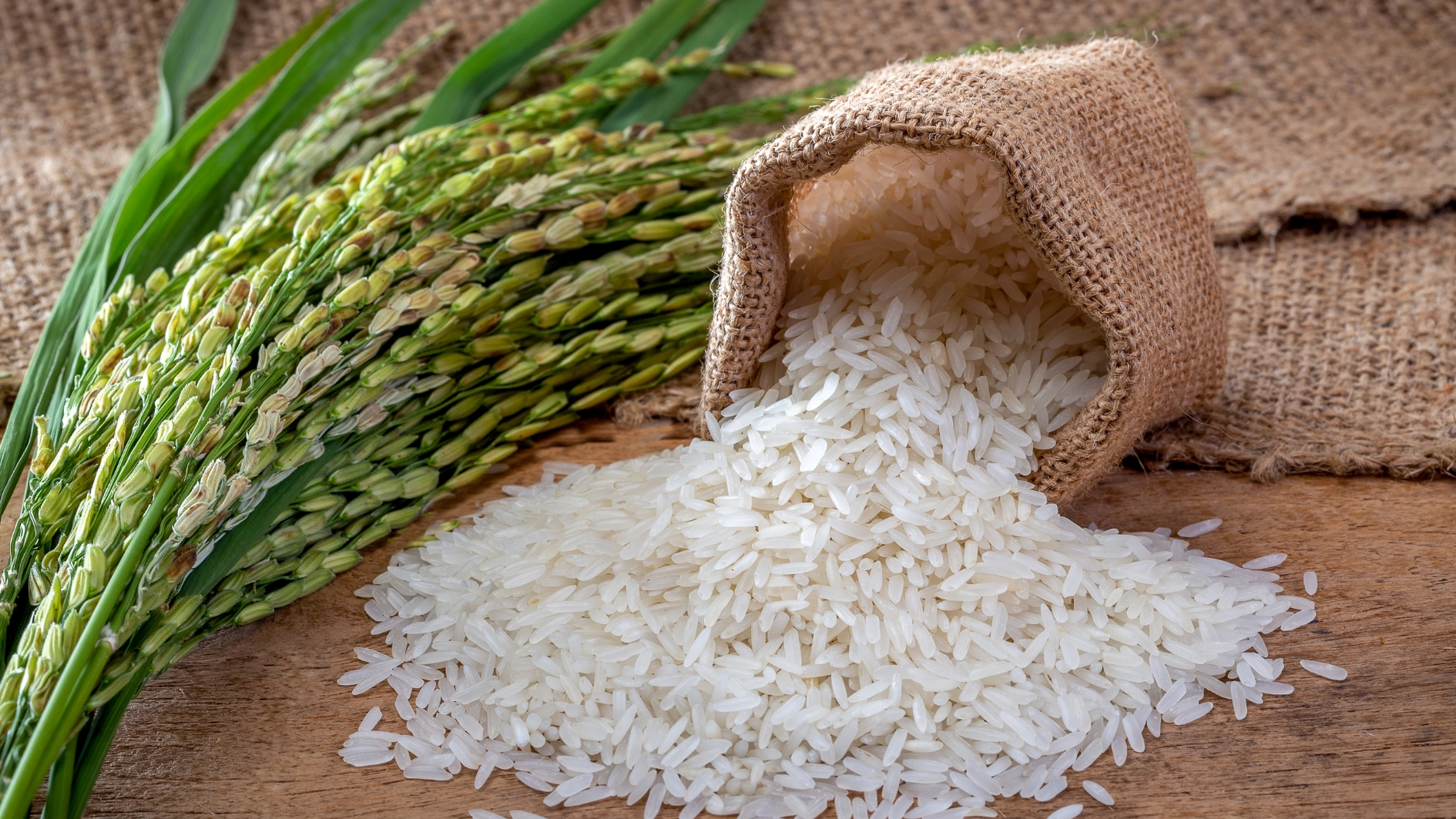
Rice and rice-based products
Rice can accumulate arsenic from soil and irrigation water. Flooded growing conditions can increase the availability of arsenic in soil, allowing it to be absorbed by rice plants.
Inorganic arsenic is particularly relevant to food safety because it is more toxic than many organic arsenic compounds. Consequently, rice and certain rice-based products are subject to specific regulatory maximum levels for inorganic arsenic.

Cocoa and chocolate
Cocoa beans can accumulate cadmium from the soil during cultivation. Concentrations vary depending on geographical origin, soil composition, pH and other environmental conditions.
Cadmium contamination in cocoa is an important consideration for chocolate manufacturers, particularly when sourcing raw materials from regions with elevated soil cadmium concentrations.

Fish and seafood
Fish and seafood can contain mercury, particularly in the form of methylmercury.
In aquatic environments, microorganisms can convert inorganic mercury into methylmercury, which can accumulate in organisms and become more concentrated at higher levels of the food chain.
Large, long-lived predatory fish, including certain tuna species, swordfish and shark, may therefore contain higher methylmercury concentrations than many smaller fish species.

Cereals, vegetables and potatoes
Cereals, leafy vegetables, potatoes and other crops may absorb cadmium and other elements from agricultural soils.
The extent of uptake depends on several factors, including soil pH, organic matter, element availability, plant species and agricultural conditions.

Spices and herbs
Spices and herbs can be exposed to elemental contamination during cultivation, harvesting, drying, processing and storage.
Lead contamination is a particular concern in certain spice supply chains. In some documented cases, lead-containing pigments have been deliberately added to spices to enhance their color.
The actual concentrations of contaminants in these food categories vary considerably. Representative sampling and appropriate analytical testing are necessary to establish whether a product complies with applicable food safety requirements.
Toxic vs. essential elements
Not all metals found in food are harmful. Some are classified as essential trace elements because the human body requires them in small amounts for normal growth, metabolism, and physiological function. These include iron, zinc, copper, manganese, and selenium. For these elements, both deficiency and excessive intake can have negative health effects, which is why recommended intake levels and, where appropriate, tolerable upper intake levels have been established.
The difference between an essential element and a toxic one is therefore not always the element itself, but the amount consumed, its chemical form and the resulting biological effects.
This concept, known as the dose-response relationship, is a fundamental principle of toxicology. At appropriate concentrations, essential trace elements support normal biological processes, while excessive exposure may result in toxicity.
In contrast, arsenic, cadmium, lead and mercury have no recognised essential nutritional function in humans and are primarily associated with adverse health effects. For several of these elements, particularly lead, no exposure threshold has been established below which adverse effects can be confidently excluded.
As a result, food safety authorities aim to minimise dietary exposure wherever reasonably possible. This approach is reflected in the ALARA (As Low As Reasonably Achievable) principle, which informs contaminant risk management and the establishment of certain regulatory maximum levels.
Why chemical form matters
The toxicity of some elements depends not only on the total concentration present in food, but also on their chemical form, a concept known as speciation. Different chemical species of the same element can vary considerably in their biological availability and toxicological effects.
Arsenic is one of the best-known examples. Inorganic arsenic species are significantly more toxic than most organic arsenic compounds, such as arsenobetaine, which occurs naturally in many seafood products. For this reason, food regulations for products such as rice establish maximum levels for inorganic arsenic rather than total arsenic.
Mercury provides another example. Methylmercury is of particular concern in fish and seafood because it can accumulate in aquatic food chains and affect neurological development.
Chromium also illustrates the importance of chemical form. Trivalent chromium (Cr(III)) and hexavalent chromium (Cr(VI)) have substantially different toxicological properties. Hexavalent chromium is a recognised human carcinogen by inhalation, whereas trivalent chromium has a substantially different toxicity profile. The essentiality of chromium in humans remains scientifically uncertain.
Understanding chemical speciation is therefore important when assessing the potential health risks associated with elemental contaminants in food.
How do heavy metals get into food?
Heavy metals can enter the food chain through two main pathways: natural geological processes and anthropogenic (human-caused) activities. Distinguishing between these sources is essential for food safety risk assessment and supply chain management, as the most effective mitigation strategies depend on the origin of the contamination.
Naturally occurring contamination
Naturally occurring heavy metal concentrations are largely determined by the geology of the region where crops are grown or livestock are raised. Volcanic soils, mineral-rich groundwater, and certain sedimentary rock formations can naturally contain elevated levels of elements such as cadmium, arsenic, or lead. Plants absorb these elements from the soil, allowing them to enter the food chain even in the absence of industrial pollution.
Cadmium in cocoa is a well-known example. Cocoa grown in certain regions of Latin America may contain elevated cadmium concentrations associated with naturally occurring soil conditions. However, concentrations and contamination sources vary between regions and agricultural environments.
Similar regional differences can occur for other crops, highlighting the importance of understanding local geological conditions when evaluating food safety risks.
Anthropogenic contamination
Anthropogenic contamination results from human activities that introduce heavy metals into the environment. Common sources include industrial emissions, mining operations, wastewater irrigation, atmospheric deposition from fossil fuel combustion, and the use of phosphate fertilizers containing trace amounts of cadmium.
Heavy metals may also be introduced during food processing, transport, storage, or packaging if adequate quality controls are not in place.
Some contamination events are linked to food fraud or poor manufacturing practices. For example, lead contamination in spices has been traced to the illegal addition of lead chromate to turmeric to enhance its color. Mercury contamination in fish illustrates a more complex situation. Although mercury is released naturally through geological processes, human activities such as coal combustion and industrial emissions also contribute to environmental mercury levels.
In aquatic environments, microorganisms can convert inorganic mercury into methylmercury, a highly toxic form that that accumulates in fish and other aquatic organisms.
Understanding whether contamination is naturally occurring or anthropogenic has important practical implications for food manufacturers and testing laboratories. Naturally elevated background concentrations may require careful supplier selection, sourcing strategies, whereas anthropogenic contamination may require corrective actions within the production process or supply chain.
Identifying the source of contamination is therefore an important step in both regulatory compliance and long-term food safety management.
Heavy metals in food: EU regulations and maximum levels
In the European Union, maximum levels for certain elemental contaminants in food are established under Commission Regulation (EU) 2023/915, as amended.
The regulation sets maximum levels for specified combinations of contaminants and food categories. These include provisions concerning lead, cadmium, mercury and arsenic.
The applicable limits depend on the contaminant, the food category and, where relevant, the chemical form of the element.
For example:
Arsenic: maximum levels are established for inorganic arsenic in specified food categories, including rice and certain rice-based products. Provisions for total arsenic also apply to certain categories.
Cadmium: maximum levels apply to various food categories, including certain cereals, vegetables and cocoa or chocolate products.
Lead: maximum levels apply to numerous food categories, including selected fruits, vegetables, cereals and foods intended for infants and young children.
Mercury: maximum levels are established for specified fishery products, with different limits depending on the relevant product category or species.
These maximum levels are established to protect public health, taking into account scientific risk assessments, dietary exposure and the concentrations that can reasonably be achieved through good agricultural and manufacturing practices.
For food manufacturers, compliance requires identifying the applicable maximum level for each relevant contaminant and food category. Since regulatory requirements may be amended, the current consolidated legislation should always be consulted.
Why do food manufacturers monitor heavy metals?
Heavy metal monitoring is an essential part of modern food safety management. Manufacturers routinely test raw materials, intermediate products, and finished goods to protect consumer health, comply with regulatory requirements, verify supplier quality, and minimize the risk of contamination entering the food chain.
Regulatory compliance
One of the primary reasons for monitoring heavy metals is to comply with food safety legislation.
Regulatory authorities have established maximum permitted concentrations for specific contaminants in different food categories based on toxicological risk assessments and risk-management considerations.
Food products that exceed these limits may be rejected during import inspections, withdrawn from the market or become subject to regulatory enforcement measures and food safety notifications.
Food safety and quality management
Heavy metal testing also forms part of broader food safety management systems, including Hazard Analysis and Critical Control Point (HACCP) programs and standards such as ISO 22000.
Within these systems, heavy metals are considered potential chemical hazards that must be evaluated and controlled according to the organization’s hazard analysis. The frequency of testing depends on the risk profile of the raw material, supplier history, regulatory requirements and the potential severity of contamination.
Products such as rice, cocoa, seafood and certain vegetables may warrant closer monitoring because of their association with particular elemental contaminants.
Supply chain verification
Testing is also used to verify the quality and consistency of raw materials throughout the supply chain. Regional differences in soil composition, agricultural practices, and environmental conditions can result in significant variation in heavy metal concentrations between suppliers. Routine analytical testing helps manufacturers identify higher-risk raw materials, qualify suppliers, and implement sourcing strategies that reduce the likelihood of non-compliant products.
In some sectors, manufacturers apply internal action limits that are stricter than the legal maximum levels. This may be particularly relevant for products intended for vulnerable consumer groups, such as infant foods.
Product quality and consumer confidence
Heavy metal testing can also support product quality claims, certification schemes, and customer requirements. Manufacturers that promote low heavy metal concentrations, particularly in premium foods or infant nutrition products, require reliable analytical data to substantiate these claims. This depends on validated analytical methods with appropriate limits of detection (LOD) and limits of quantification (LOQ).
The LOD represents the lowest concentration at which an analyte can be reliably detected under defined analytical conditions. The LOQ represents the lowest concentration at which that analyte can be quantified with acceptable analytical performance.
For a low-contaminant claim to be substantiated, the analytical method must provide sufficient sensitivity and reliability at the concentration being evaluated.
Learn more about heavy metals in food
Discuss your food analysis requirements
Our Xperts are happy to discuss your application and help you find the right solution.
FAQ
What are heavy metals in food?
Heavy metals in food are elements that can accumulate in crops, livestock, and aquatic organisms and may pose health risks when consumed over time. The most commonly monitored heavy metals in food safety programs are arsenic (As), cadmium (Cd), lead (Pb), and mercury (Hg).
What foods contain heavy metals?
Heavy metals can occur in various foods, including rice, cereals, vegetables, cocoa, chocolate, spices, fish and seafood. The type and concentration of contaminants depend on environmental conditions, geographical origin and food production practices.
Why is cadmium often described as bioaccumulative?
Cadmium accumulates in human tissues over time and is eliminated slowly, making long-term exposure particularly important from a food safety perspective.
How do heavy metals get into food?
Heavy metals can enter food through contaminated soil, irrigation water, atmospheric deposition, agricultural inputs and industrial activities. They may also be introduced during processing or storage. Plants can absorb elements from soil, while aquatic organisms may accumulate contaminants from water and their food.
What is methylmercury?
Methylmercury is an organic form of mercury that readily bioaccumulates in aquatic organisms and is considered the most toxic form of mercury found in food.
Can heavy metals accumulate in the human body?
Yes. Certain elements can accumulate in specific tissues following repeated exposure. For example, cadmium can accumulate in the kidneys, while lead can be stored in bones. Accumulation and elimination depend on the element and its chemical form.
What is naturally occurring heavy metal contamination?
Naturally occurring contamination results from geological conditions such as mineral-rich soils, volcanic deposits, or naturally elevated concentrations in groundwater.
What is anthropogenic contamination?
Anthropogenic contamination refers to heavy metal contamination caused by human activities such as industrial processes, mining, wastewater irrigation, and fossil fuel combustion.
Are heavy metals naturally present in food?
Yes. Some elemental contaminants occur naturally in soil and water and can be absorbed by plants or aquatic organisms. Their presence does not necessarily indicate industrial pollution or poor agricultural practices.
