 English
 Dutch
 French

Moisture analysis of different food products
Explore moisture analysis in grains, flour, meat, dairy and snacks. Learn about sample preparation, analytical methods and food-specific testing challenges.
An essential part of quality control across the food industry
Moisture analysis is an essential part of quality control across the food industry. However, the importance of moisture content, the challenges associated with sample preparation and the most suitable analytical methods vary considerably between food products.
Grains are closely monitored for storage stability and milling performance, flour for baking consistency, meat for composition and yield, dairy products for quality and stability, and snacks for texture and crispness. Reliable moisture determination requires an analytical method suited to the specific food matrix, taking into account its composition, expected moisture content and applicable reference methods.
Moisture analysis of grains and cereals
Why does moisture matter in grains?
Grain moisture is one of the most closely monitored parameters in the food supply chain because it affects storage stability, processing behavior and product value.
Commercially traded grain is often bought and sold against a reference moisture level, with price adjustments applied above or below that level.

Moisture and storage
Grain that is too wet during storage is at greater risk of mold growth, insect activity and heating within the stored mass. These conditions can lead to spoilage and loss of quality. Drying grain appropriately for the intended storage conditions improves its stability.
Moisture is therefore commonly checked at intake, during drying and periodically throughout storage. Aeration and, where appropriate, turning of stored grain can help manage moisture and temperature.
Moisture and milling
Moisture affects how grain behaves during milling. Wheat is typically conditioned by adding water and allowing the grain to rest before milling. This improves the separation of bran from the endosperm and can affect milling performance, flour yield and quality.
Moisture that is too high or too low at the point of milling can make the process more difficult to control. Mills therefore manage grain moisture as part of their standard preparation procedures.
Moisture determination in wheat, rice, and corn
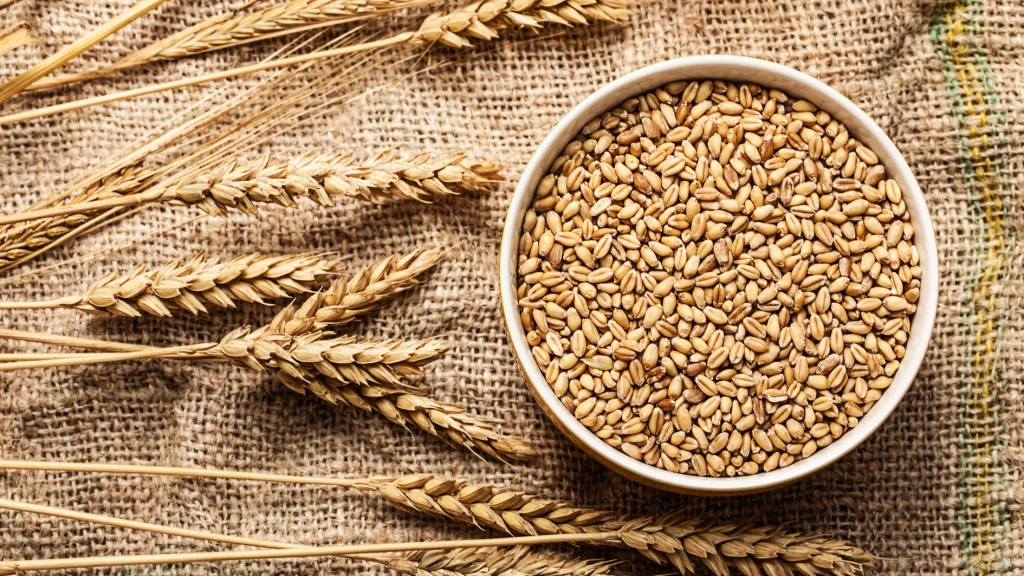
Wheat
Wheat moisture is checked at harvest and intake to guide drying and storage decisions, and again before milling. During conditioning, the grain is brought to a moisture level suited to the milling process.
Specifications vary according to end use and region. The applicable laboratory method or purchasing specification should therefore be used to determine the target moisture level.
Rice
Rice moisture is monitored from harvest through drying and storage because it affects both storability and milling quality. Uneven moisture distribution or overly rapid drying can create stresses in the grain and increase breakage during milling, affecting the value of the finished product. Target moisture levels depend on the rice variety, intended use and applicable specification.
Corn
Corn moisture is monitored from harvest through drying and storage and during downstream processing, including milling, wet processing and feed production.
Higher incoming moisture generally increases the drying and storage management required, although the appropriate target depends on the intended use and storage conditions.
Sample preparation for grain moisture analysis
Grain is not uniform, so representative samples should be collected according to an appropriate sampling procedure rather than from a single location. Moisture can vary within a batch or storage mass, making representative sampling important for obtaining a reliable results.
Samples should be handled promptly and stored in sealed containers to minimize moisture exchange with the environment. Where the analytical method requires grinding, the procedure should be consistent because grinding affects sample homogeneity and increases the surface area exposed to ambient air.
Grinding can also generate heat, potentially causing moisture loss before analysis. The sample preparation procedure should therefore follow the applicable method.
Suitable analytical methods
Several techniques are used for grain moisture determination:
- Oven drying: widely used in established reference methods, with conditions depending on the grain and applicable standard.
- Rapid thermogravimetric moisture analysis: useful for routine testing when results are required within a shorter timeframe.
- Near-infrared spectroscopy (NIR): commonly used for rapid grain analysis, particularly in high-throughput intake testing.
Because NIR provides an indirect measurement, calibration models must be appropriate for the grain type, moisture range and measurement conditions. Rapid methods should be verified against an appropriate reference method before being used for a specific application.
Moisture analysis of flour
Why does flour moisture matter?
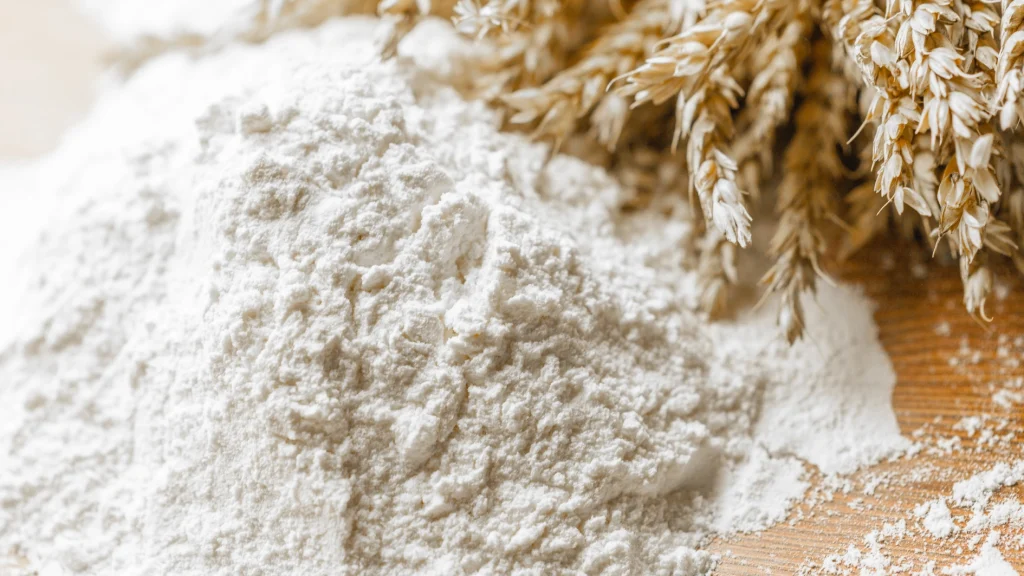
Flour moisture affects its storage stability, handling and baking performance. It also influences how flour composition is reported, since parameters such as protein content may be expressed on specified moisture basis or dry matter basis to allow consistent comparison between samples.
Moisture and storage
Flour with excessive moisture is more prone to caking, clumping and reduced flowability. Higher moisture can also contribute to conditions that favor mold growth during extended storage. Maintaining an appropriate and consistent moisture level therefore supports reliable flour storage and handling.
Moisture and baking performance
Moisture content is one of several factors that affect how much additional water flour requires during dough or batter mixing. Consistent flour moisture can therefore support more consistent hydration and dough behavior between batches.
For bakeries that adjust water addition according to flour properties, knowing the flour’s moisture content is useful because differences in flour moisture can affect the amount of water available to the dough, even when the recipe remains unchanged.
Sample preparation for flour moisture analysis
Flour generally requires little preparation beyond thorough mixing or homogenization before a test portion is weighed, since it is already a fine powder. However, representative sampling remains important, particularly when analysing large batches or stored flour.
Samples should be tested promptly and protected from prolonged exposure to ambient air to minimize moisture gain or loss during weighing and handling.
Suitable analytical methods for flour
Oven drying is widely used as a reference approach for flour moisture determination. Rapid moisture analyzers can also be used for routine laboratory and at-line testing, provided that their drying conditions and performance have been established or verified against an appropriate reference method.
For cereal products, the selected procedure should account for the relevant product type and applicable analytical standard.
Moisture analysis of meat and meat products

Why is moisture measured in meat and meat products?
Moisture is measured in meat and meat products as part of compositional analysis. Alongside protein and fat, water is one of the major components of meat.
Moisture determination can be relevant to product labelling, formulation control and, particularly for processed products, yield.
Moisture and product quality
Moisture influences the texture, juiciness and appearance of meat products. In processed products, it is also closely linked to formulation because added water may be part of the recipe for products such as sausages, cured meats and reformed products.
Moisture results are generally interpreted together with other compositional measurements, such as protein and fat, to provide a more complete picture of product composition.
Fresh vs. processed meat
Fresh meat naturally contains a high proportion of water and is highly perishable. It is therefore generally handled under refrigeration and consumed or processed within a limited timeframe rather than preserved through moisture reduction.
Processed meat products cover a much wider range, from products containing added water, such as many sausages and reformed products, to products in which moisture is deliberately reduced through curing or drying. Because of this variation, the appropriate moisture level depends on the specific product, formulation and processing method.
Sample preparation for meat and meat moisture analysis
Meat samples are typically homogenized, for example by mincing or blending, so that the test portion better represents the composition of the overall sample. This is particularly important because the proportions of lean tissue, fat and other ingredients can vary within a sample.
Homogenization should be performed consistently while minimizing moisture loss, sample heating and changes in composition. Samples should be handled and tested promptly, using suitable storage conditions when immediate analysis is not possible.
Suitable analytical methods for meat
Oven drying is a long-established approach for moisture determination in meat and meat products. Rapid thermogravimetric or microwave-based moisture analyzers may provide shorter analysis times for routine testing, provided that the selected method has been verified for the specific product.
Karl Fischer titration may be considered when a water-specific determination is required or when the composition of the product makes conventional drying less suitable.
The analytical method should account for differences in fat content, formulation, sample homogeneity and the potential loss of volatile compounds during heating.
Moisture analysis of dairy products
Dairy products cover a particularly wide range of moisture contents, from liquid milk to hard cheeses and low-moisture powders. Consequently, the analytical requirements and suitable moisture determination methods can differ considerably between products.
Moisture analysis of milk
Liquid milk has a high moisture content and is primarily managed through refrigeration and processing rather than moisture reduction. Moisture-related compositional testing nevertheless supports quality control and standardization of dairy products made from milk. In routine dairy analysis, total solids may also be determined to evaluate product composition.

Cheese
Cheese covers a wide range of moisture levels, from soft, high-moisture cheeses to hard, low-moisture varieties. Moisture content is an important characteristic of cheese and contributes to differences in texture, composition, and other product properties.
It is routinely measured as part of quality control and compositional testing during production. The moisture level can also influence product yield, making consistent measurement relevant to cheese manufacturing.
Moisture analysis of dairy powders
Powdered dairy products such as milk powder and whey powder are dried to a low moisture content to improve their storage stability and enable storage under suitable conditions without refrigeration. Because these products contain relatively little water, moisture determination requires methods that provide suitable performance at low moisture levels.
Dairy powders can also absorb moisture from the environment, affecting flowability, caking and other quality properties. Packaging and storage conditions therefore play an important role in maintaining their moisture level.
Moisture and stability in dairy products
Across the dairy category, moisture is closely linked to product stability. Higher-moisture dairy products generally require refrigeration and have shorter shelf lives, while low-moisture dairy powders rely on low water activity, appropriate packaging and suitable storage conditions for extended stability. Moisture content and water activity provide complementary information, particularly when evaluating powdered dairy products.
Sample preparation for dairy moisture analysis
Liquid dairy products generally require thorough mixing to obtain a representative sample. Cheese is typically grated, cut or homogenized before testing, depending on the analytical method.
Powdered products require particular care during sampling and weighing to minimize moisture exchange with the surrounding air, especially when the powder is hygroscopic.
Suitable analytical methods for dairy products
Oven drying and rapid moisture analyzers are used for various dairy products, with the method and conditions adapted to the specific matrix. A method suitable for liquid milk may not be appropriate for a high-fat cheese or a fine dairy powder.
Karl Fischer titration can be useful for low-moisture dairy powders because it determines water selectively and can be applied to samples with relatively low water contents. The appropriate method depends on the product matrix, moisture range, analytical requirements and applicable reference method.
Moisture analysis of snacks and processed foods

Moisture control is particularly important in low-moisture snacks and processed foods, where small changes in moisture content or water activity can affect texture, stability and consumer acceptance.
Moisture analysis of chips
Potato chips and similar fried or baked snacks are processed to a low moisture content to achieve their characteristic crisp texture. Moisture is monitored during and after processing to keep the product within its intended texture and stability range.
Moisture analysis of crackers and biscuits
Crackers and biscuits rely on low and controlled moisture levels for their characteristic crisp texture. Consistent moisture control during baking and cooling helps achieve uniform texture across a batch.
Moisture testing can be used during process development and routine quality control to verify that finished products meet their specifications.
Moisture analysis of breakfast cereals
Breakfast cereals and similar extruded or baked products are processed to a low moisture level. Moisture can be monitored throughout processing and before packaging. Packaging is designed to limit moisture uptake during storage and maintain the intended product characteristics.
Moisture and crispness
Across this category, moisture is an important factor in maintaining crisp texture. Moisture uptake can soften crisp products and reduce their characteristic texture, which is why moisture levels, packaging and storage conditions are managed together.
Water activity provides complementary information because it describes the thermodynamic availability of water rather than simply its total amount.
Moisture and shelf life
For many low-moisture snacks and processed foods, moisture uptake during storage can be an important factor affecting shelf life by causing loss of crispness and other quality changes.
Low water activity can restrict microbial growth, although other factors such as oxidation, flavor stability and packaging performance may also determine shelf life. Packaging therefore plays an important role in protecting these products from moisture in the surrounding environment.
Discuss your food analysis requirements
Our Xperts are happy to discuss your application and help you find the right solution.
FAQ
Does the same moisture analysis method work for all food products?
No. Food products differ in composition, structure, moisture content and thermal behaviour. A method suitable for grain or flour may not be appropriate for meat, cheese or products containing volatile compounds. The analytical procedure should be selected and verified for the specific matrix.
How is moisture content measured in grains?
Grain moisture is commonly determined using established oven-drying methods or suitable rapid techniques. Near-infrared spectroscopy is also used for high-throughput grain testing, provided that appropriate calibration models are available.
Why is moisture analysis important in meat products?
Moisture analysis helps evaluate product composition, formulation consistency and processing yield. In processed meat products, moisture results are often considered alongside protein and fat measurements.
Which methods are suitable for moisture analysis in dairy powders?
Depending on the product and analytical requirements, dairy powders may be analysed using appropriate drying methods or Karl Fischer titration. Method selection should account for the low moisture content and hygroscopic properties of the sample.
Why is moisture content important in snacks?
Moisture affects the crispness, texture and physical stability of many snack products. Monitoring moisture during production and storage helps manufacturers maintain consistent product characteristics.
How does sample preparation affect moisture determination?
Inadequate sampling, inconsistent homogenization or exposure to ambient air can cause moisture measurements to differ from the actual composition of the product. Representative sampling and controlled preparation are therefore essential for reliable results.
