 English
 Dutch
 French

Solvent extraction systems
Solvent extraction separates target compounds from a solid, semi-solid or liquid sample before subsequent analysis. Efficient extraction helps laboratories obtain representative extracts while controlling preparation time, solvent consumption and manual handling.
What is solvent extraction?
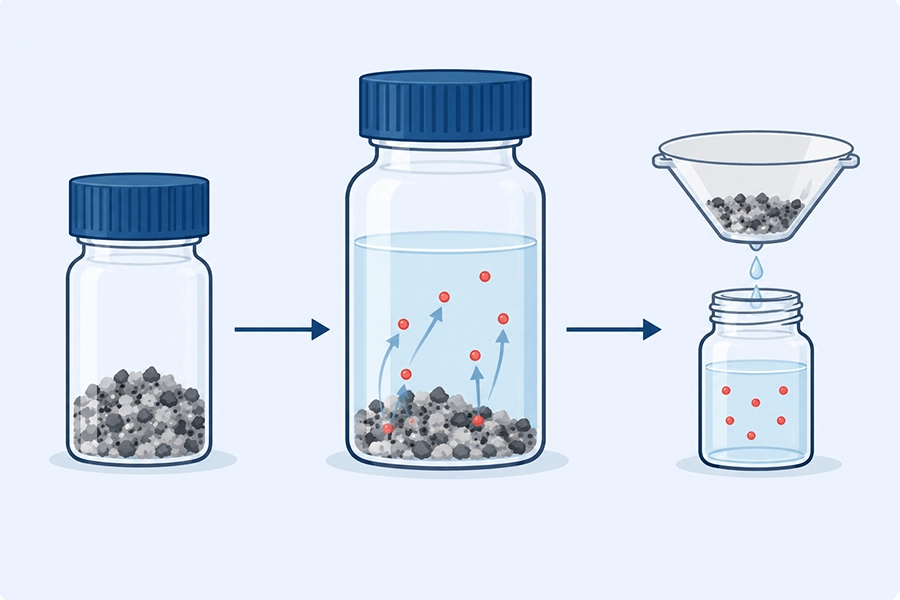
Solvent extraction transfers one or more target compounds from a sample matrix into a suitable solvent. The resulting extract can then be prepared for analysis using techniques such as chromatography or mass spectrometry.
The extraction method must release the compounds of interest without causing unacceptable degradation or introducing contamination.
Its effectiveness depends on factors including:
- Sample matrix
- Target compounds
- Solvent selection
- Temperature
- Extraction time
- Sample size
- Required filtration or clean-up
Traditional extraction procedures can require substantial time, solvent and manual handling. Automated and microwave-assisted systems use controlled conditions to accelerate the extraction process and improve workflow consistency.
How does a solvent extraction system work?
A solvent extraction system brings the sample into contact with a selected solvent under controlled conditions. Heat and pressure can improve contact between the solvent and sample matrix, increasing the rate at which target compounds are released.
The exact process depends on the extraction technology.
Automated sequential extraction
In a sequential system, samples are processed individually in an automated sequence. Solvent is added to the sample holder, after which heat and pressure promote extraction.
The resulting liquid passes through a filter and is collected in a vial. Depending on the configuration, extraction, filtration, cooling and system washing can form part of the automated process.
Microwave-assisted batch extraction
Microwave-assisted extraction uses microwave energy to heat the solvent and sample inside closed vessels. The elevated temperature accelerates extraction and can reduce the amount of solvent required compared with traditional procedures.
Multiple vessels can be processed simultaneously. After the programmed heating and holding stages, the samples cool before the extracts undergo any required filtration, clean-up or further preparation.
Applications of solvent extraction
Solvent extraction forms part of sample preparation across environmental, food, agricultural and industrial laboratories.
Common applications include the extraction of:
- Pesticides
- Semi-volatile organic compounds
- Polycyclic aromatic hydrocarbons
- Polychlorinated biphenyls
- Plasticizers and polymer additives
- Antioxidants
- Mycotoxins
- Cannabinoids
- Dioxins
- Fat and oils
Typical sample matrices include soil, sediment, food, agricultural products, plastics, polymers, oils and other solid or semi-solid materials.
The selected extraction method should correspond with the target compounds, matrix, downstream analytical technique and applicable standard method.

Choosing a solvent extraction system
Several practical and analytical factors should be considered when selecting an extraction system.
Sequential or batch processing
A sequential system processes samples individually and can provide flexibility when samples require different methods or conditions. A batch system processes multiple samples simultaneously and is suitable for laboratories working with larger series of similar samples.
Sample type and size
The extraction vessel and method must accommodate the quantity and physical properties of the sample. Wet, dry, homogeneous and heterogeneous materials can require different preparation and extraction conditions.
Sample throughput
The number of samples processed each day influences the most suitable workflow. Laboratories with high volumes of similar samples may benefit from batch processing, while varied sample queues can be suited to automated sequential extraction.
Filtration and clean-up
Some workflows require filtration or matrix clean-up before instrumental analysis. Integrating these steps into the extraction process can reduce manual handling and simplify preparation.
Solvent requirements
Solvent compatibility, volume and disposal requirements should be considered when developing an extraction method. Heating in a closed vessel can increase extraction efficiency while reducing solvent consumption.
Analytical method
The selected system must support the required sample-preparation procedure. Laboratories working according to regulatory or standardized methods should verify the required temperature, solvent, extraction time and subsequent clean-up steps.
Frequently asked questions
What is the purpose of solvent extraction?
Solvent extraction transfers target compounds from a sample matrix into a liquid solvent. The extract can then undergo further preparation and instrumental analysis.
Which samples can be prepared using solvent extraction?
Applications include soil, sediment, food, agricultural products, plastics, polymers, oils and other solid or semi-solid materials. Compatibility depends on the extraction method, solvent and target compounds.
How does temperature affect solvent extraction?
Increasing the temperature can improve solvent penetration and accelerate the transfer of compounds from the sample into the solvent. The temperature must remain appropriate for the compounds and method.
What is microwave-assisted solvent extraction?
Microwave-assisted extraction uses microwave energy to heat the sample and solvent inside a vessel. This accelerates the extraction process and enables multiple samples to be processed in one batch.
What is pressurized solvent extraction?
Pressurized solvent extraction uses elevated temperature and pressure to keep the solvent in contact with the sample under controlled conditions. This can provide faster extraction than traditional atmospheric procedures.
Does an extract require filtration?
Many extracts require filtration before subsequent analysis. Some systems integrate filtration into the extraction workflow, while others require a separate filtration or clean-up step.
What is the difference between sequential and batch extraction?
Sequential systems process samples individually one after another. Batch systems extract several samples simultaneously. Sequential processing provides flexibility, while batch processing can offer higher throughput for similar samples.
Compare our solvent extraction systems
SciSPX supplies automated solvent extraction systems to laboratories in Belgium, the Netherlands and Luxembourg. The available solutions include a sequential automated system and a high-throughput microwave batch system.
The systems differ mainly in processing workflow, sample capacity and level of integrated handling. Use the comparison below to identify which solvent extraction system best matches your laboratory requirements.
System | Extraction workflow | Sample processing | Integrated filtration | Best suited for |
|---|---|---|---|---|
EDGE | Automated sequential pressurized extraction | Samples processed individually in an automated sequence | Yes, through the Q-Disc | Flexible automated extraction across varied samples and methods |
MARS 6 Extraction | Microwave-assisted batch extraction | Up to 40 samples in one batch | Additional handling may be required after extraction | High-throughput processing of larger batches of similar samples |
Find the right solvent extraction system
Selecting a solvent extraction system starts with the sample matrix, target compounds, required method and expected throughput. The choice between sequential and batch processing also depends on the amount of method flexibility and post-extraction handling required.
Our Xperts can help you compare the available systems and select a configuration suited to your samples and analytical workflow.

Automated solvent extraction
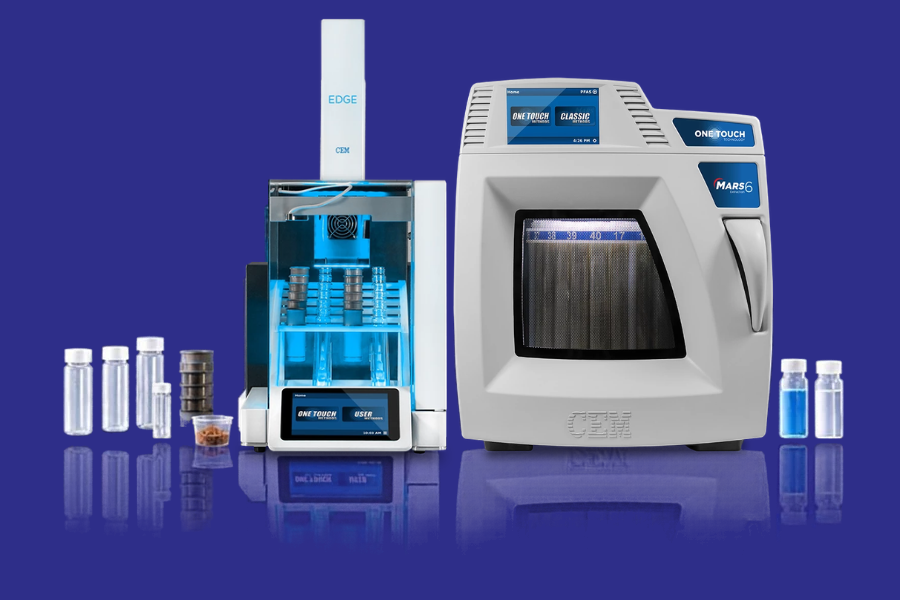
EDGE
Automates sequential extraction, filtration, cooling and extract collection. Its Q-Cup technology supports pressurized fluid extraction, dispersive solid-phase extraction and supported liquid extraction.

Microwave extraction system
MARS 6 Extraction
Processes up to 40 samples in a single microwave-assisted batch. It is intended for laboratories requiring high sample throughput and reduced solvent consumption.
Not sure which system fits your application?
Our Xperts are happy to discuss your application and help you find the right solution.
